Wednesday, November 16, 2016


Wednesday, November 9, 2016

Monday, October 3, 2016
The Old-New Anti-Semitism
Robert Solomon Wistrich
(April 7, 1945 – May 19, 2015)

The topography and lexicography of post-Holocaust anti-Semitism changed dramatically after 1945, yet the essential elements of ideological continuity have been remarkably tenacious. Today, the geographical center of gravity is neither Germany nor the European continent (despite the alarming revival of old prejudices) but the Arab-Muslim world and its diasporic offshoots. Anti-Jewish rhetoric in the new millennium tends to be Islamic, anti-globalist, and neo-Marxist far more than it is Christian, conservative, or neo-fascist. Whether the assault comes from the far Left or Right, from liberals or fundamentalists, its focus now is above all the collective Jew embodied in the State of Israel. Despite the incessant hair-splitting over the need to separate anti-Zionism and anti-Semitism, this has in recent decades become a distinction without a meaningful difference. Whatever theoretical contortions one may indulge in, the State of Israel is a Jewish state. Who ever wants to defame or destroy it, openly or through policies that entail nothing else but such destruction, is in effect practicing the Jew-hatred of yesteryear, whatever their self-proclaimed intentions.
excerpt from
The Old-New Anti-Semitism
by Robert S. Wistrich
in
Those Who Forget The Past
The Question of Anti-Semitism
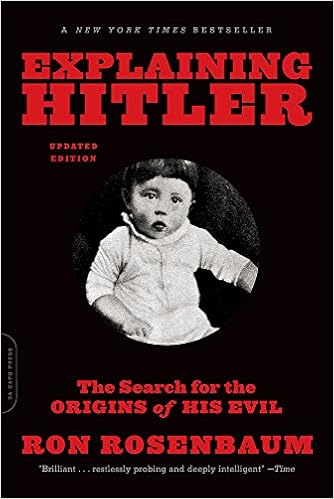
Edited by Ron Rosenbaum
2004 Random House
Friday, September 30, 2016

Wednesday, September 14, 2016
Sholom Schwartzbard assassinated the exiled Ukrainian leader Symon Petliura in Paris.


I have killed a great assassin!
Saturday, September 10, 2016
WW2 Russian Atrocity Against Polish Child
THE LOSS OF TATIANA
We lived at a strange location. The borders between Russia, Ukraine, and Poland were somewhere in the neighborhood, but there was little agreement as to where they were. My parents had a farm, and a few tenants, clustered around. The place looked more like a fort surrounded by marshes, scrubby trees, and low lying fields. Nobody knew their way around except us, which is perhaps why we were left alone until late 1939.
We had heard on the radio that the Germans had attacked Poland. Everyone became very worried, as we all thought that the Russians would join in. News was strictly censored at that time, so we had to guess at the real meaning. The English call it "reading between the lines."
I do not remember the exact date, but one morning a local peasant who cut reeds came running in. He told my father that we all must hide, as he had seen some Russian soldiers looking for a crossing point over one of the many slow rivers.
Mama said that all the menfolk must hide, but she and the old woman would look after the farm until we could return. There were no young women of marriageable age, and at twelve, we all thought that my sister Tatiana would be safe. My parent's generation remembered all the atrocities of the 1921 Russo-Polish war.
Papa was very worried, saying that the Russians might set fire to the farm, but Mama said that they might steal some pigs, but we all spoke Russian, so there shouldn't be a problem.
We took some sausage and dried hams with us, and followed the peasant. There was my father, two young laborers, an older farm hand, his wife, and ten year old son. They had left their three younger children with my mother, as we thought that living off the land would be too dangerous for small children.
Fortunately the weather was dry and still warm. We went deep into the reedy marshes. The mosquitoes and midges swarmed all over us, and soon my face was raw and painful. It was even worse for the younger boy. He must have tasted very sweet to those insects.
We spent the night in a small hut perched on stilts above the water. Our clothing and packs were wet through. I couldn't sleep as all through the night millions of frogs kept croaking, shrieking, whistling, and murmuring. The sound was deafening. Nobody could understand what it was like until they had experienced it for themselves. The insects kept on biting us as well!
The next morning was very misty. Standing on the platform outside the hut, my head and shoulders were in sunshine, but my back and legs were quite cold and damp, in a pool of low lying fog. As the sun climbed higher, the mist began to rise forming thin low clouds that began to disperse as they rose. It was like being in a cold steam bath.
We were all wondering what to do next, when we heard a low rumbling noise in the east. We had only ever seen about half a dozen airplanes in the whole of our lives. This noise was being made by hundreds! They took ages before we could see them. They looked like masses of black dots high up in the sky moving very slowly. Nobody knew if they could see us, or whether they would attack. They just kept rumbling on. The air itself seemed to vibrate. It took well over half an hour for them to pass overhead, and disappear in the direction of Poland.
There was some argument as to whether it was safe to stay where we were. The peasant said that there was nowhere else to go. Papa was very unhappy about the younger boy whose face was very puffed up. His lips were swollen and split, and it looked as if he had a temperature. We had to drink the water, which tasted all right, but we should have boiled it. Everyone was afraid to light a fire in case the smoke was seen by the Russians. By the next evening I was feeling very ill, and had bad diarrhoea. I had to wade some distance from the hut, to find some reeds to use as a bathroom. Soon everyone was wandering off to find private clumps of reeds. Only the peasant seemed to be unaffected.
After another terrible night, it was agreed that the peasant would sneak back to the farm and see if the coast was clear. He left in the early morning while it was still misty. All through that day the young boy became more and more ill. His mother was crying, and his father kept straining water through a cloth into a tin mug for the boy. I felt so weak, that I couldn't face the thought of going back to my own reedy "bathroom." My father had to carry me at least four times. I could not face any food.
The peasant came back shortly after sundown. He was punting a long flat-bottomed boat, with some bales of reeds in it. He looked very upset. He told us that the coast was clear, but there was nobody around. He had waited for a couple of hours then left without seeing anybody. There were no dead bodies, so he thought that the Russians hadn't shot anyone. We all made ourselves as comfortable as possible in the boat, and the peasant punted off. I don't know how he found his way back. There was no moon or stars, and the frogs were once again deafening. It started to rain lightly which gave us a little relief from the insects. I think it was about midnight when we got back.
There were no lights to be seen, and there was no sound of any animals. Papa called out for Mama and Tatiana. Suddenly my mother was there. When she saw my father she started to cry.
"We thought you were Russians coming back!"
Tatiana was not there. When we got into the kitchen, my mother closed all the shutters then lit an oil lamp. Other people, some of whom we did not know, started coming into the kitchen from other parts of the house. We later learned that most of them had been fleeing the Germans, then found the Russians firing at them. There were no wounded, they had either died soon after being hit, or were too ill to be moved. One said that the Russians were using "dum-dum" bullets which splintered when they hit you. He told me that once you were hit, you were as good as dead, or you quickly caught gangrene.
I kept asking what happened to Tatiana, but my mother just burst into tears. Much later I learned that the Russians had turned up at the farm demanding a guide though the marshes. They had chosen my sister. Mama had dressed her up in her finest Sunday clothes, and pretty headdress, thinking that if she looked sweet and appealing that the soldiers would treat her well. She did not see her again. Some of the other refugees had found a young girl about an hour's walk away later in the day, stripped and bayonetted to a barn door. My mother had gone with the old people to find the body. They found instead a little mound of earth with a rough cross on it, and hanging from the cross was Tatiana's bonnet. She had no idea who had dug the grave.
"I don't even know if she had been violated!" My mother kept sobbing this for the next couple of days. My father looked very old all of a sudden.

After another terrible night, it was agreed that the peasant would sneak back to the farm and see if the coast was clear. He left in the early morning while it was still misty. All through that day the young boy became more and more ill. His mother was crying, and his father kept straining water through a cloth into a tin mug for the boy. I felt so weak, that I couldn't face the thought of going back to my own reedy "bathroom." My father had to carry me at least four times. I could not face any food.
The peasant came back shortly after sundown. He was punting a long flat-bottomed boat, with some bales of reeds in it. He looked very upset. He told us that the coast was clear, but there was nobody around. He had waited for a couple of hours then left without seeing anybody. There were no dead bodies, so he thought that the Russians hadn't shot anyone. We all made ourselves as comfortable as possible in the boat, and the peasant punted off. I don't know how he found his way back. There was no moon or stars, and the frogs were once again deafening. It started to rain lightly which gave us a little relief from the insects. I think it was about midnight when we got back.
There were no lights to be seen, and there was no sound of any animals. Papa called out for Mama and Tatiana. Suddenly my mother was there. When she saw my father she started to cry.
"We thought you were Russians coming back!"
Tatiana was not there. When we got into the kitchen, my mother closed all the shutters then lit an oil lamp. Other people, some of whom we did not know, started coming into the kitchen from other parts of the house. We later learned that most of them had been fleeing the Germans, then found the Russians firing at them. There were no wounded, they had either died soon after being hit, or were too ill to be moved. One said that the Russians were using "dum-dum" bullets which splintered when they hit you. He told me that once you were hit, you were as good as dead, or you quickly caught gangrene.
I kept asking what happened to Tatiana, but my mother just burst into tears. Much later I learned that the Russians had turned up at the farm demanding a guide though the marshes. They had chosen my sister. Mama had dressed her up in her finest Sunday clothes, and pretty headdress, thinking that if she looked sweet and appealing that the soldiers would treat her well. She did not see her again. Some of the other refugees had found a young girl about an hour's walk away later in the day, stripped and bayonetted to a barn door. My mother had gone with the old people to find the body. They found instead a little mound of earth with a rough cross on it, and hanging from the cross was Tatiana's bonnet. She had no idea who had dug the grave.
"I don't even know if she had been violated!" My mother kept sobbing this for the next couple of days. My father looked very old all of a sudden.
Alex Smirnow-Wisniak
Polish
Engineer
Aged 10
CHILDREN OF THE STORM
Saturday, September 3, 2016
Friday, September 2, 2016
Shunning is an Act of Humiliation
"There's no better way
to dismantle a personality
than to isolate it."
Diana Spencer
Princess of Wales
Damien Hirst
Artist
Thursday, August 25, 2016
astrocartography mars ic line in review: don't mess with it
Mars IC will deplete your happiness. It will cause ruin to invade and destroy beauty in your life. Mars IC is a venomous snake, a foul stench, a diet of perversity, a lexicon of hate. Mars IC invites influences into your own personal world which seek to degrade, debase, humiliate every particle of goodness which is at the heart of humanity. It is not enough to say beware of the Mars IC line. If you are living on the line and value your life, if you have love to give, important work to do for yourself and others, children to raise into secure, healthy citizens of this world, it is not enough to say watch out for the dangers of Mars IC.
Get away as soon and as fast as you possibly can. Relocate beyond the dangerous Mars IC influences. Go now, not tomorrow or the next day.
ANTIPATHY.
At the very root of Mars IC is ANTIPATHY. Here is a definition of the word.
ANTIPATHY.
A deep-seated feeling of dislike; aversion.
ANTIPATHY.
synonyms:
hostility, antagonism, animosity, aversion, animus, enmity, dislike, distaste, hatred, hate, abhorrence, loathing


Get away as soon and as fast as you possibly can. Relocate beyond the dangerous Mars IC influences. Go now, not tomorrow or the next day.
ANTIPATHY.
At the very root of Mars IC is ANTIPATHY. Here is a definition of the word.
ANTIPATHY.
A deep-seated feeling of dislike; aversion.
ANTIPATHY.
synonyms:
hostility, antagonism, animosity, aversion, animus, enmity, dislike, distaste, hatred, hate, abhorrence, loathing
Saturday, July 30, 2016
a matter of conscience
In Praise of Feeling Bad about Yourself
The buzzard never says it is to blame.
The panther wouldn't know what scruples mean.
When the piranha strikes, it feels no shame.
If snakes had hands, they'd claim their hands were clean.
A jackal doesn't understand remorse.
Lions and lice don't waver in their course.
Why should they, when they know they're right?
Though hearts of killer whales may weigh a ton,
in every other way they're light.
On this third planet from the sun
among the signs of bestiality
a clear conscience is Number One.
Wislawa Szymborska
Poems New and Collected 1957-1997 (1998)

Wednesday, July 20, 2016
Friday, July 15, 2016


Saturday, July 9, 2016
Friday, July 8, 2016
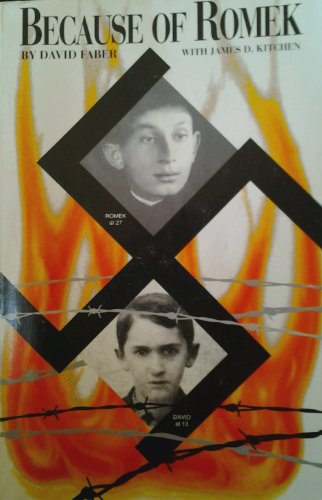
Because Of Romek
CHAPTER 15
The wheels scraped against the rails as the train moved ahead through the open gate below that huge sign and stopped.
I heard footsteps on the gravel, and shouts in German. Guards must be surrounding the train, but I was too short to see them.
A heavy voice shouted.
"Open the door!"
The door slid open a few inches, then all the way as hands pushed against it. Soldiers climbed into the wagon carrying long wooden bats.
"Get out, you schweinen! Get out of here!"
They moved away from the door, swinging the bats. Those who could get to their feet tried to dodge the blows. Guards swung the bats and pieces of heavy cable that hurt even more. I thought we'd step onto a platform. Instead there was a drop of about four feet. People stepped onto nothing and fell, screamed as they piled on top of each other.
When I got to the door, I jumped as far as I could. One foot hit the pile of bodies and I sprawled on the ground. Knees bruised and hands scraped, I scrambled to my feet.
When the living were out of the train, the guards jumped from it and beat those who lay jumbled together. Some never got up.
Huge floodlights lit the area. Our wagon was almost the last one in the long train reaching beyond the station platform. That was why people had fallen. I looked the other way toward the engine. Thousands of people were on the platform or moving toward it. Some stumbled and lay where they fell. Others tried to dodge the soldiers' rifle butts. Dogs snarled and lunged at prisoners along the edges of the crowd.
Suddenly I grunted and stumbled as something hit me hard on the ribs.
"Run! Kleine Schweinhund! You dirty little dog!"
The soldier pointed toward the front of the train. I ran, and climbed up the platform steps.
An SS officer paced up and down at the far end. When we were in rows of five, he stepped onto a box and shouted, "Ich bein Haupstanfuhrer Schwartz. Do what I tell you, or you'll wish you had!"
We waited. Just like Szebnia, the dogs bit us, tore clothes and flesh. There was no way to escape them. If anyone moved, a soldier beat him back into line.
Soon, big trucks roared up and parked along the platform. Each one had a big round tank on the side, like a boiler.
Another SS officer walked along the rows, tapping a piece of cable against his left palm. He'd shout, "You go to the left!" or "You go to the right!" and swing the cable hard against the person. Those he sent to the left were forced into the trucks. Thousands were hauled away until only a few hundred of us stood under the floodlights.
Finally, the colonel ordered us to march straight ahead, down the steps at the end of the platform. We walked for what seemed almost an hour. My side ached, and I was so weak I could barely lift my feet.
We stopped in front of a huge barrack. Guards ordered the first rows to go inside, and a few minutes later, the screams began. We whispered to one another, afraid of some new punishment.
My row was ordered inside. A fat guard stood close to the door. "Take off your clothes!" he yelled.
I stripped, and a taller guard grabbed my arm. With the other hand he ran a hand clipper back and forth over my head until I was bald. It was wintertime--January, 1941--and very cold. I stood in the long line, naked and shivering.
It was almost morning when I reached the front of the line. A guard took hold of my arm and jerked me toward him. I winced and made a face as he jabbed a pen into my wrist.
The man grinned. "You don't like it?" he asked.
He slapped my face with his open hand, knocking out two front teeth. Blood spurted from my nose and mouth.
"You think this hurts? Just wait! You know where you are?"
"No, sir."
"You're in Auschwitz. What did you think you came for, a vacation? This is where we get rid of you, you bastard!"
He stabbed the pen deep into my flesh, yanked it out and stuck it back, again and again. Every time he pulled it out, I prayed it was the end. My arm hurt so much I forgot about my other pains.
He shoved me away and reached for the next person.
I wasn't a person anymore. Just a number- 161051. I felt more lost than ever. My body shook as I tried not to let them see me sob.
Why did I jump under the couch? I thought. Why?
A man standing behind me put his hand on my shoulder.
"Boy," he whispered, "don't cry. There's nothing you can do. Just try to survive."
A guard stood by a pile of clothing with black and white stripes. He threw a jacket and pants at me, shoes with wooden soles, a strip of cloth with my number on it, a needle and cotton thread. I put on the pants and shoes, both much too big for me.
Nobody told me what to do with the strip of cloth, but I looked at those who'd been in front of me and saw it sewn on the front of their jackets. I did the same.
I went outside and stood with the others. Trucks came and the guards yelled at us to get in. As I tried to pull myself up, one of them, young, with a blond moustache, pounded my back with a bat. Finally, two men reached down, took hold of my arms and pulled me up.
My back hurt terribly. When I tried to stand straight, it felt like a knife was stuck inside me. Some ribs must have been broken.
The trucks took us to a part of Auschwitz called Berkinau. Huge wooden barracks as far as I could see, forty or fifty. Inside each one was a single room almost filled with bunks three tiers high. Straw-filled sacks lay on them. In the center, the whole length of the building, was something like a long chimney, a kind of heater.
I wanted the top row where it would be hard for the guards to hit me. Grunting with pain, I stood on the bottom row, pulled myself past the second level and onto the third. I collapsed, barely able to breathe, my back and chest hurt so badly.
The bunks weren't separate. Each level was one long bed where hundreds of men lay close to one another, one rough grey blanket for every five or six.
A barracks leader, a kapo, stamped in and stood just inside the door.
"Listen!" he shouted. "My name is Potok, and I'll make you wish you'd never come here. You'll wish you'd never met me."
I wondered if he could be worse than the guards at Zebnia.
He walked along the bunks, grabbed the foot of a man on the middle row right under me and yanked him onto the floor. No one spoke as the man lay sprawled on his stomach.
The kapo bent over, his face close to the prisoner's.
"You look like you hid something," he said. "I'll bet you've got a fortune in your body. Give it to me!"
The man rolled onto his back, his hands held out palms up.
"No, sir." I could scarcely hear him. "I don't have anything, sir."
"You don't?"
The man spoke louder. "No, sir! Nothing!"
Potok smiled. "I'll find out."
He took a long thin knife from a scabbard on his belt. "Give it to me, or I'll cut you open."
"Please don't!" The man tried to get up but the Potok pushed him down with his foot.
"Turn over!" he yelled and kicked the man in the head.
Crying, the prisoner turned to lie face down on the floor. Potok cut open the man's pants, then jabbed the knife into his anus and cut away pieces of flesh.
Screams rang through my head and I covered my ears.
The screams stopped and the kapo laughed. "You know," he said, "he didn't have anything."
He pulled other people from the bunks, made them lie on their backs and crushed their windpipes with his heavy boot. Then he'd turn them over and butcher them the way he had the first man.

Excerpt from
Because of Romek
by David Faber with James D. Kitchen
Chapter 15
Subscribe to:
Posts (Atom)